How To Spot And Fix Errors On Your Business Credit Report
Author: Leon Delica
March 18, 2026
5 min read
TABLE OF CONTENTS
- 1. When Your Business Credit Report Becomes a Risk
- 2. Red Flags in Your Credit Scores and Limits
- 3. Watch for these red flags:
- 4. You might also notice:
- 5. Errors in Business Identity and Company Details
- 6. Common warning signs include:
- 7. More serious issues include mixed files:
- 8. Tradeline and Payment History Issues to Catch Fast
Start your credit building journey for your business

When Your Business Credit Report Becomes a Risk
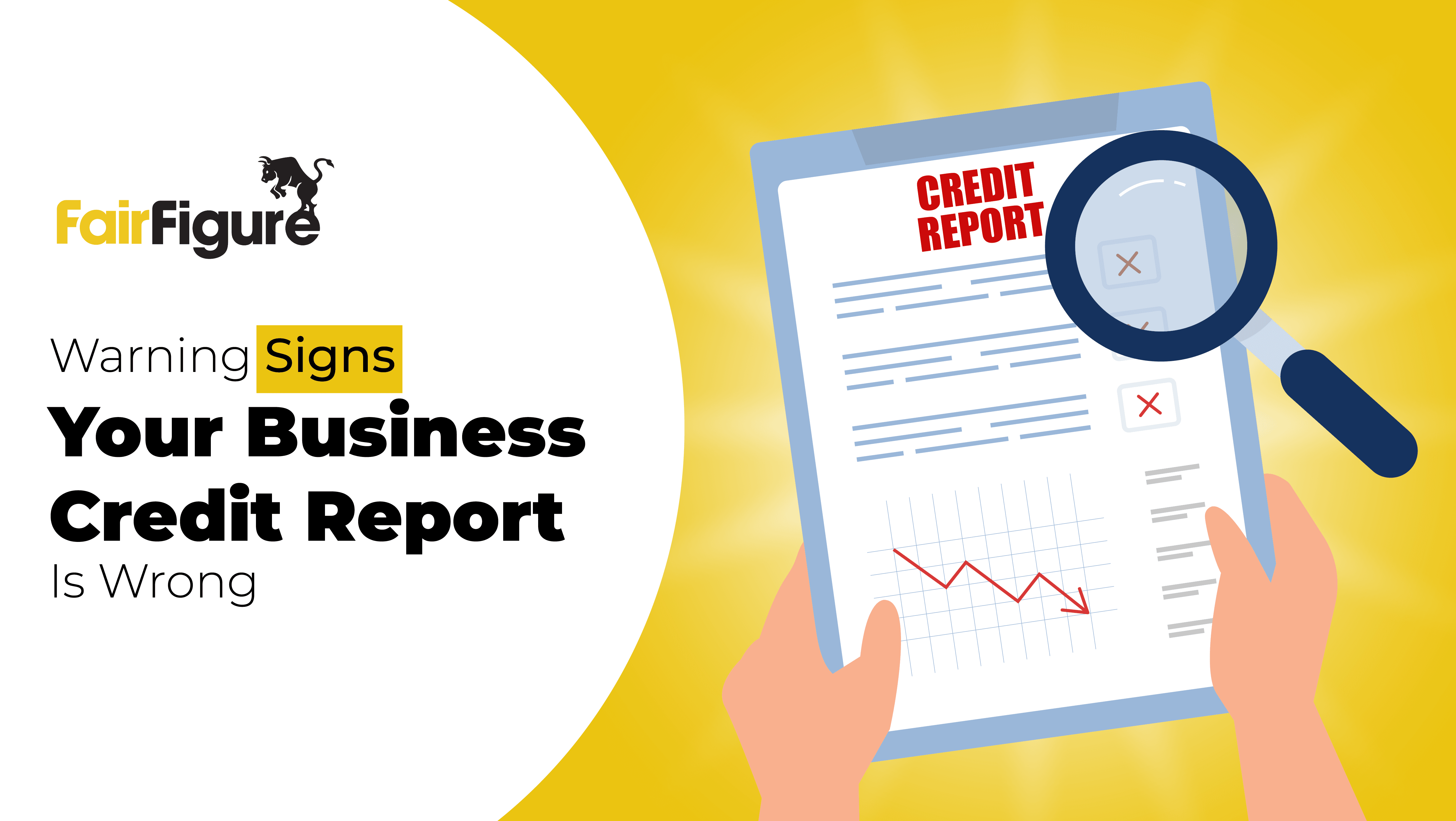
A single wrong item on a business credit report can hit a company where it hurts. One bad mark can push up insurance premiums, cut off vendor terms, or sink a funding application right when cash is tight. It feels even worse at the start of a new tax year, when lenders are reviewing accounts and deciding who looks safe and who does not.
As spring planning ramps up, many businesses lean harder on credit cards, lines, and vendor terms to stock inventory or take on new work. If the report behind all of that is wrong, growth can stall without warning. Many owners only notice a problem after a denial, but there are early warning signs that a business credit report is off.
Knowing how to spot and dispute business credit errors can protect your working capital before it is too late.
Red Flags in Your Credit Scores and Limits
One of the first signs that something is wrong often shows up in your business credit scores or limits.
Watch for these red flags:
- Sudden score drops with no clear reason
- Unexplained cuts to card or vendor limits
- New offers that feel way tighter than your track record
If your scores fall sharply but you have not paid late, taken on big new debt, or closed accounts, that is not normal. Seasonal spending can move scores slightly, but large swings often point to reporting mistakes or even a mixed file.
Unclear limit cuts are another warning sign. When a lender or vendor slashes your limit without explaining why, it often means they are seeing something negative in your report. That cut can increase utilization, which can drag scores down even further.
You might also notice:
- Higher interest rates than expected
- Much lower limits than your history supports
- Shorter terms or added conditions
These tighter terms usually mean your business appears riskier than it actually is.
Errors in Business Identity and Company Details
If the basic identity of your company is wrong, the rest of the report is at risk too.
Common warning signs include:
- Legal name spelled incorrectly or missing LLC/Inc
- Old DBAs, addresses, or phone numbers still listed
- Incorrect NAICS or SIC codes placing you in a higher-risk industry
Incorrect industry classification alone can reduce access to favorable trade terms or EIN-only financing.
More serious issues include mixed files:
- Executives you do not recognize
- Locations you have never operated in
- Subsidiaries that are not yours
In these cases, another business’s negative history could be attached to your file.
Also verify:
- Business structure (LLC, Corp, Sole Prop)
- Start date accuracy
- Ownership details
These factors directly impact how lenders assess risk.
Tradeline and Payment History Issues to Catch Fast
Your tradelines and payment history are the foundation of your business credit profile.
Watch for:
- Missing tradelines (vendors, leases, credit cards)
- Incorrect late payments
- Duplicate negative items
- Outdated accounts still showing as active
A missing tradeline can make your business look new or unproven. Incorrect late payments can drop your score even if you paid on time.
Common causes of errors:
- Misapplied payments
- Processing delays
- Clerical reporting mistakes
If you see a late payment that is not accurate:
- Gather invoices and statements
- Pull bank records
- Prepare documentation immediately
Act quickly before lenders review your file for upcoming funding decisions.
Denials, Odd Offers, and Fraud Warning Signs
Sometimes the first signal is not the report—it is how lenders respond to you.
Red flags include:
- Unexpected credit denials
- Feedback about “thin file” or “high risk”
- Offers with unusually low limits or high APRs
These often indicate your report does not reflect your true business strength.
Fraud warning signs:
- Accounts you never opened
- Unknown credit inquiries
- New addresses tied to your business
If you see these:
- Contact lenders immediately
- Lock down accounts
- Set fraud alerts
- Begin disputes across all bureaus
Take Back Control of Your Business Credit Data
Once you identify an issue, follow a clear process.
Step-by-step:
- Pull reports from all major business credit bureaus
- Highlight incorrect, missing, or outdated items
- Gather supporting documentation
- File written disputes with clear explanations
- Track responses and follow up consistently
Consistency matters. Keep records of every communication until you receive confirmation of corrections.
Best practice:
- Review your reports monthly or quarterly
- Align reviews with key business cycles (inventory, funding, renewals)
Using a monitoring platform like FairFigure helps you catch issues early before they impact approvals.
Why Accuracy Matters for Growth
When your business credit report is clean and accurate:
- You qualify for better funding terms
- You increase approval odds for EIN-only financing
- You unlock higher vendor limits
- You reduce friction during growth periods
Accurate data ensures your credit profile reflects the real strength of your business.
Protect Your Business Credit And Fix Reporting Errors Now
If you are ready to take control of your reports, FairFigure makes it simple to correct business credit errors before they impact your financing or vendor relationships.
Our tools help you:
- Detect issues early
- Organize documentation
- Track dispute progress in one place
Partner with FairFigure to correct inaccuracies quickly and keep your business credit working for you—not against you.
More articles
Read More >
September 15, 2026
12 min read
September 10, 2026
7 min read
September 10, 2026
8 min read
Start your credit building journey for your business
Start your credit journey now with FairFigure