EIN-Only Funding Strategy by Lender Type
Author: Aaron V
May 05, 2026
7 min read
TABLE OF CONTENTS
- 1. Build EIN-Only Funding Readiness From Day One
- 2. Decode What Lenders Really See on Your Business File
- 3. Align Monitoring Strategy to EIN-Only Lender Goals
- 4. Design the Right Tradeline Mix for Cards, Lines, and Vendors
- 5. Time Your Reporting Cadence to Seasonal Capital Needs
- 6. Turn Your FairFigure Dashboard Into a Funding Playbook
- 7. Build Strong Credit For Your Business Without Using Your SSN
Start your credit building journey for your business

Build EIN-Only Funding Readiness From Day One
Getting EIN-only business credit is not just about getting an EIN and hoping for the best. It is about planning how your business looks on paper long before you ask for cards, lines of credit, or vendor terms. When banks tighten personal guarantee rules and card issuers look closer at your business file, guesswork is not enough.
EIN-only funding readiness means you line up three things together: monitoring, tradeline mix, and reporting cadence. You are not just building a random file. You are shaping it around the type of funding you want next. That way, when you hit submit on an application, your reports already match what that lender expects to see.
It also means thinking ahead to your busy seasons. For many small businesses, late spring brings growth plans and summer projects, and fall brings big inventory pushes before the holidays. If you prepare your business reports a few months before that rush, you can improve approval odds, limits, and terms without putting your personal credit on the line.
Decode What Lenders Really See on Your Business File
When a lender pulls your business credit, they are not seeing your hopes and hard work. They see data. That data usually comes from the three major business credit bureaus. Different lenders lean on different bureaus, and they read the same file in their own way.
Here is what they usually scan first:
• Firmographics, things like time in business, industry type, and revenue bands
• Credit utilization, how much of your reported credit limits you are using
• Payment history, how fast you pay and how old your tradelines are
• Derogatory marks, collections, liens, judgments, and other negative items
• Tradeline depth, how many accounts, what types, and how large
Then each lender type focuses on its own risk signals. EIN-only business credit card issuers care a lot about fresh data. They pay close attention to recent utilization, how often accounts report, and whether you have a pattern of small charges paid on time. They want proof you can handle frequent swipes without slipping.
Line-of-credit providers care more about trends over time. They want to see that when you get larger limits, you use them with discipline, avoid maxing out, and keep payments steady. Vendor and trade accounts are usually more focused on slow pays, skipped invoices, and any public records that point to trouble paying bills.
When you know what each lender type is really looking at, you can shape your file with purpose instead of guessing what matters.
Align Monitoring Strategy to EIN-Only Lender Goals
Good decisions start with clear data. Tri-bureau monitoring lets you see your full business credit picture in one place, instead of trying to piece things together from different sources. That is how you track separate readiness paths for cards, lines, and vendor terms at the same time.
Your monitoring cadence can match your next funding goal:
• Weekly views when you are planning a burst of EIN-only business credit card applications
• Every other week when you are preparing for a bank or fintech line of credit review
• Monthly when you are slowly building deeper vendor relationships
With steady monitoring, alerts become your early warning system. A score shift, a new inquiry, or a surprise data change should not be something you notice after a denial. When you catch it early, you can dispute wrong data, cut down utilization before a pull, or push back an application a week or two so your reports look cleaner.
The goal is simple: no surprises when a lender checks your business file.
Design the Right Tradeline Mix for Cards, Lines, and Vendors
Not all tradelines are equal, and they do not all report the same way. A planned tradeline ladder can turn random accounts into a path toward larger, EIN-only funding.
A simple tiered approach looks like this:
• Start with vendor terms and low-limit net accounts that report
• Add EIN-only business credit cards that match your spend patterns
• Grow into larger bank or fintech lines that report clear limit and usage data
Each tier should set you up for the next one, not just solve whatever today’s bill is. Card issuers usually like to see several small tradelines that are used often and paid on time. They want proof that your business has practice managing revolving credit.
Line-of-credit providers tend to prefer fewer, seasoned accounts with higher limits where you keep utilization in check. They are testing your behavior with bigger numbers. Vendors often just want to see that when they give you net 30 or net 60 terms, you pay on or before the due date across many cycles.
Common mistakes to avoid:
• Relying too much on one vendor ecosystem so your file looks thin and narrow
• Barely using existing limits, so there is no real data for lenders to model
• Adding tradelines that do not report where your target lender actually pulls from
Thoughtful tradeline mix is about sending the right story to the right lender.
Time Your Reporting Cadence to Seasonal Capital Needs
The way your tradelines report is almost as important as which ones you have. Timing matters. If you know you will need more capital before a summer project wave or a fall inventory build, you can shape your reports in the months leading up to that season.
For card-focused plans, frequent, small-balance reporting can help show active use and steady paydowns. That behavior can support stronger scores and better odds when you apply for more EIN-only business credit cards. For lines of credit, a calmer pattern usually looks better: longer cycles with predictable balances and on-time payments.
Think about timing in three phases:
• When to increase spend so positive activity shows up before your next application
• When to pay down balances so your utilization looks low at reporting time
• When to pause new applications so recent inquiries and new accounts can settle
Your goal is to have your best-looking months on record right before lenders take a close look, not right after.
Turn Your FairFigure Dashboard Into a Funding Playbook
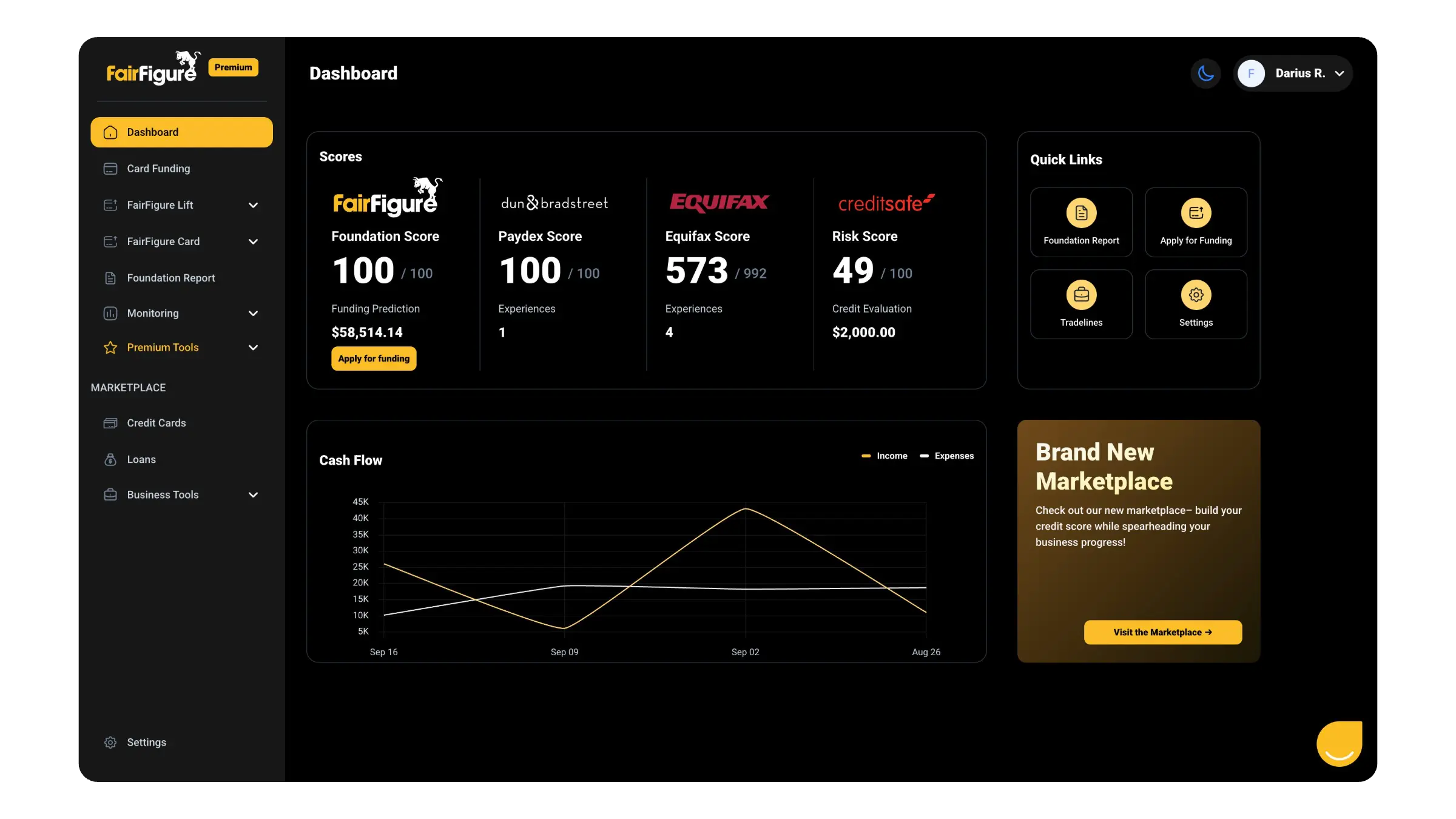
All of this planning is easier when you can see everything in one place. With a unified dashboard that brings tri-bureau monitoring, tradeline reporting, and funding tools together, you can work with a real plan instead of scattered notes. From our online base, we built FairFigure to support that kind of everyday, practical funding prep for small businesses anywhere.
A simple 90-day readiness plan might include:
• Target score ranges for the product you want next, card, line, or vendor terms
• Specific tradelines to add or grow so your mix matches that target
• Utilization ranges you want to hit before you apply
From there, you create small routines. Many owners like to glance at bureau data once a month, do a mid-month utilization check before statement dates, and then take a deeper look every quarter to adjust. Lender rules and markets shift, so your strategy should be flexible too.
When you treat your FairFigure dashboard like a funding playbook, you are not just hoping for approvals. You are arriving application-ready, with monitoring, tradeline mix, and reporting cadence already lined up to the EIN-only business credit you want next.
Build Strong Credit For Your Business Without Using Your SSN
If you are ready to separate your personal and business finances, we make it simple to get started with EIN-only business credit. Our team focuses on helping you qualify based on your business strength, not your personal credit profile. Take the next step today so we can help you access funding options that match where your business is right now and where you want it to grow.
More articles
Read More >
August 11, 2026
13 min read

August 11, 2026
7 min read
August 11, 2026
7 min read
Start your credit building journey for your business
Start your credit journey now with FairFigure