Qualify for EIN-Only Business Credit Without a PG
Author: Lauren Kronzer
September 17, 2026
8 min read
TABLE OF CONTENTS
- 1. Unlocking EIN-Only Credit Without Risking Your SSN
- 2. What EIN-Only Business Credit Really Looks Like
- 3. How Lenders Underwrite EIN-Only Applications
- 4. Key Approval Criteria Lenders Want to See
- 5. How to Qualify for Higher Limits Using Your EIN
- 6. Building an EIN-Only Profile Lenders Trust
- 7. Turn Your EIN Into a Funding Asset This Year
- 8. Build Strong Business Credit Using Only Your EIN
Start your credit building journey for your business

Unlocking EIN-Only Credit Without Risking Your SSN
Business owners are asking for EIN-only business credit more than ever. They want to protect their personal credit, keep their Social Security number off applications, and still get real funding for growth, especially as tax season hits and plans for spring and summer kick in. That is exactly what EIN-only business credit is meant to support.
When people say “EIN-only” or “no personal guarantee,” they usually mean the lender approves the account using the business’s Employer Identification Number and business credit profile, not the owner’s personal credit file. With traditional small business underwriting, lenders often pull a personal credit report and ask the owner to personally guarantee the debt. With EIN-only, the lender is focused on the business itself. Our goal at FairFigure is to help owners understand how that process works, where they stand today, and how to build a business profile that can qualify for true EIN-only approvals and helpful tradelines.
What EIN-Only Business Credit Really Looks Like
EIN-only business credit is built on your business identity, not your personal one. Instead of your SSN, lenders and vendors look at:
- Business credit reports connected to your EIN
- Business credit scores that reflect how your company pays its bills
- Trade references and payment histories across vendors and accounts
These reports come from business credit bureaus and show things like payment patterns, balances, and public records tied to your company. When a lender is truly doing EIN-only underwriting, the focus is on that data, not your personal credit.
There are some common misunderstandings here. Some lenders say “no hard pull” on personal credit, but still do a soft check in the background and still require a personal guarantee once limits pass a certain level. Others might start EIN-only for a small limit, then ask for a PG if you request higher funding. It helps to read terms carefully and understand what “no PG” actually means with that specific product.
You will usually see EIN-only business credit options in places like:
- Net-30 or net-60 trade accounts with vendors
- Fuel cards and fleet cards
- Some virtual or corporate-style cards
- Certain business lines of credit tied to bank data and revenue
Not every offer is truly EIN-only, but there is a real and growing space where your business stands on its own.
How Lenders Underwrite EIN-Only Applications
Without a personal guarantee, lenders lean heavily on how your business looks on paper and in the bank. They tend to use four main pillars:
- Time in business
- Revenue level and consistency
- Cash flow strength
- Industry and risk profile
Time in business helps them see stability. A company that has made it through multiple seasons, including slower months and busy periods, usually feels less risky than a brand-new entity. Revenue consistency matters too. Lenders look for regular deposits, not just random spikes.
Business bank statements are a big piece of the picture. Underwriters may review:
- Average daily balances
- Number of NSF or overdraft events
- Large or unusual withdrawals
- Signs of seasonality in deposits
Spring can be a turning point for many small businesses. Some see higher sales with warmer weather; others do spend more upfront for summer inventory. Lenders want to know if your cash flow can still support payments even when you stock up or when sales dip for a few weeks.
They also pay attention to risk signals like existing tradelines and how you use them. High utilization, late payments, or unpaid vendor accounts can make lenders nervous. Public records, such as liens or judgments, plus your current obligations with other lenders, all feed into how they score an EIN-only application.
Key Approval Criteria Lenders Want to See
Before anyone talks about limits and terms, lenders want the basics of your business set up cleanly. Legal and structural readiness usually includes:
- A formal business entity like an LLC or corporation
- An EIN from the IRS
- A business bank account in the company name
- Any needed licenses or permits
- Matching business details across documents and applications
Everything should line up: business name, address, phone, and owner details. When small things do not match, underwriters may slow down or decline the file.
Credit profile strength is next. Lenders often want to see at least some business credit history, not a totally blank file. Helpful signs include:
- Active tradelines that report to business bureaus
- On-time or early payments
- Low utilization on revolving business accounts
- Tri-bureau monitoring so you know what lenders will see
On the financial side, lenders look at your revenue and monthly deposits. They want to feel confident that your income can cover current bills plus any new payment. Many use a version of DSCR, or debt service coverage ratio, to judge if cash flow safely supports the new credit. Seasonal dips are not always a deal breaker, but they may lead to lower limits or tighter terms if the swings are large.
How to Qualify for Higher Limits Using Your EIN
Most businesses do not start with high EIN-only limits right away. They “graduate” over time by building a layered credit file. That usually starts with lower-limit vendor accounts that report to business bureaus. Once those trades show consistent on-time payments, you can move toward cards and lines with more flexible use.
A simple path can look like this:
- Open a few basic vendor tradelines that report to business bureaus
- Use them every month for real business needs
- Pay early or on time, each cycle
- Keep balances modest to show healthy utilization
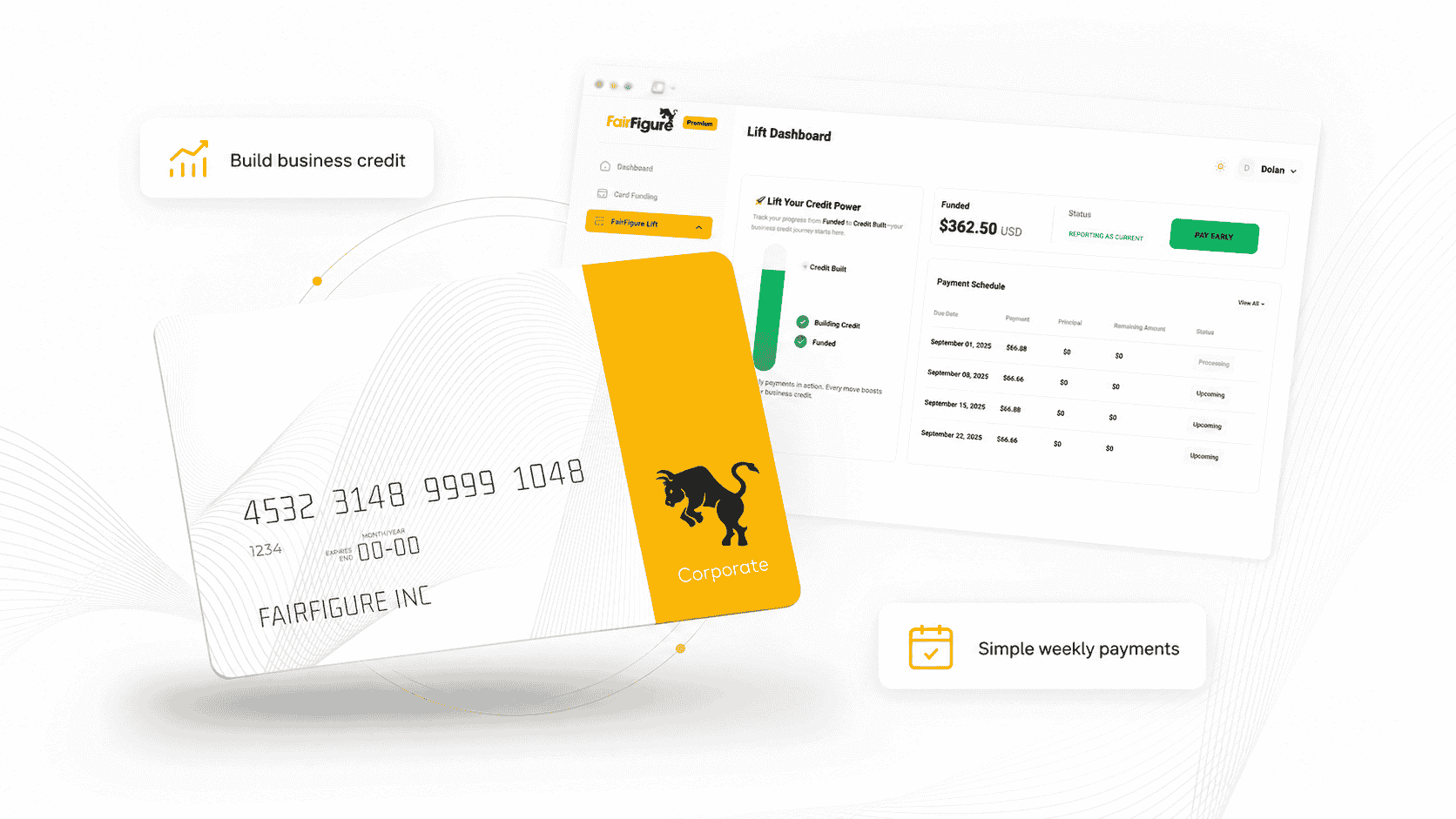
Tools like the FairFigure Lift Card and Lift financing are designed to feed positive data into your business credit profile. Used carefully, they can create a steady stream of on-time payments and responsible utilization, which lenders like to see on EIN-only applications.
Timing matters too. Applying right after several months of strong, steady revenue usually looks better than applying right after a slow season or a messy month of bank statements. Many owners plan ahead, applying for new EIN-only credit before big spring or summer inventory purchases, not during the tightest cash weeks.
Building an EIN-Only Profile Lenders Trust
A trusted EIN-only profile starts with simple but often overlooked setup steps. Lenders like to see that your company looks and feels like a real, established business. That usually includes:
- A physical or professional business address
- A business phone line that matches your records
- A basic website and business email
- Consistent information across banks, bureaus, and vendors
From there, daily habits build trust over time. Keeping personal and business finances separate is a big one. When all business income and expenses flow through the business account, it is easier for lenders to read your cash flow.
Other habits lenders appreciate:
- Avoiding overdrafts and frequent NSFs
- Paying at least the minimum due on or before each due date
- Keeping credit utilization at a reasonable level
- Not opening too many new accounts at once
Regular tri-bureau business credit monitoring ties the whole strategy together. When you can see your own business credit data, you can catch reporting errors early, track how new tradelines affect your scores, and plan when it makes sense to apply for more EIN-only funding instead of guessing.
Turn Your EIN Into a Funding Asset This Year
When you understand how EIN-only underwriting works, you gain control. You are not just filling out forms and hoping. You are setting up your business structure, credit file, and bank activity in a way that lines up with what underwriters actually want to see.
A simple roadmap looks like this: get your legal and banking basics in order, open starter tradelines that report, pay them well, watch your business credit across all three bureaus, then move up to larger EIN-only cards and lines as your profile strengthens.
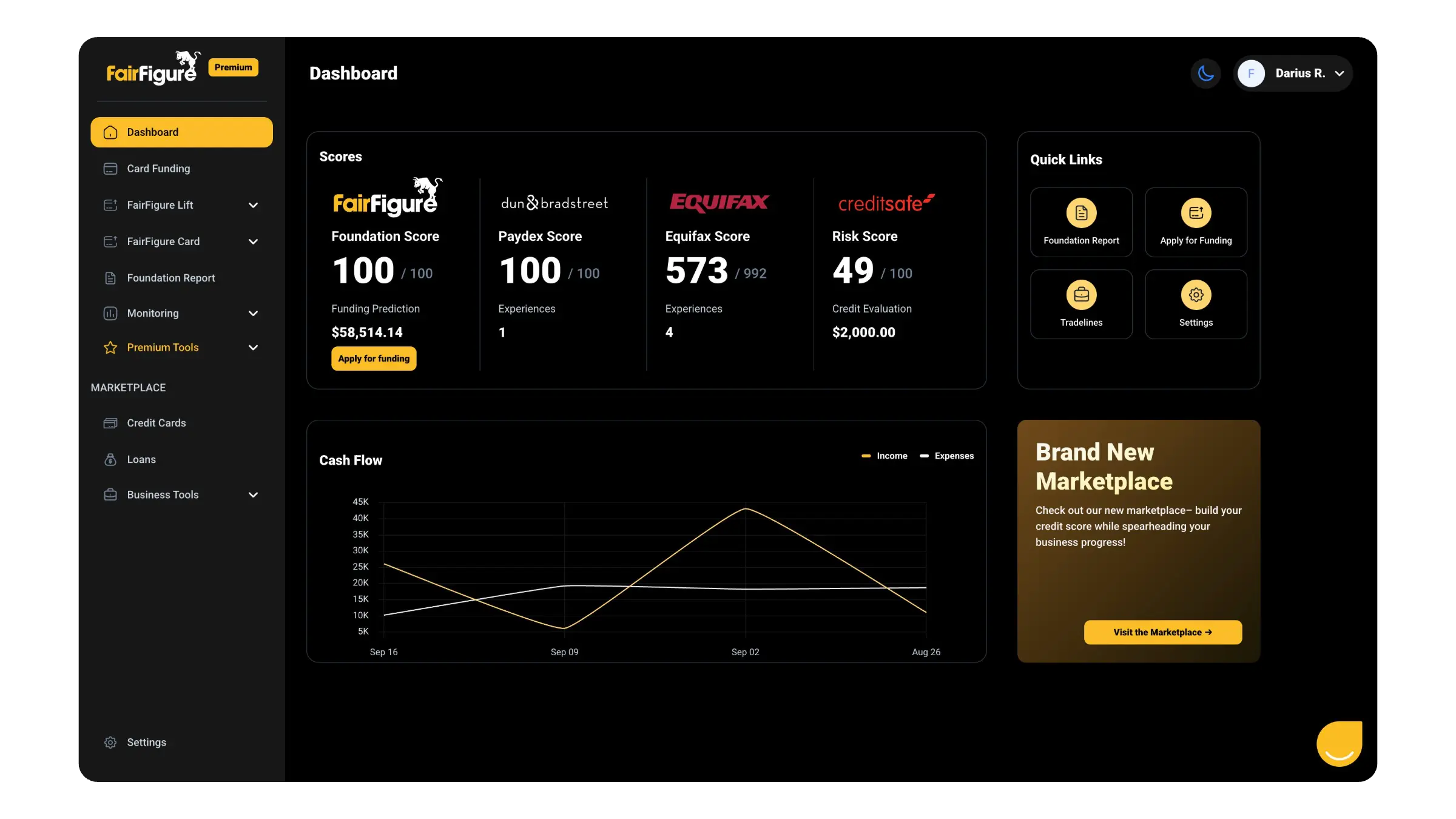
At FairFigure, our online platform is built to help you track your business credit, find funding options that match your current profile, and use tools like the FairFigure Lift Card to build an EIN-based credit story that lenders can trust when bigger opportunities come up.
Build Strong Business Credit Using Only Your EIN
If you are ready to separate your personal and business finances, we can help you take the next step. At FairFigure, we guide you through securing EIN-only business credit so you can grow with more confidence and flexibility.
Get started today to explore options tailored to your company’s stage, goals, and cash flow. Reach out with your questions so we can point you to the best path forward.
More articles
Read More >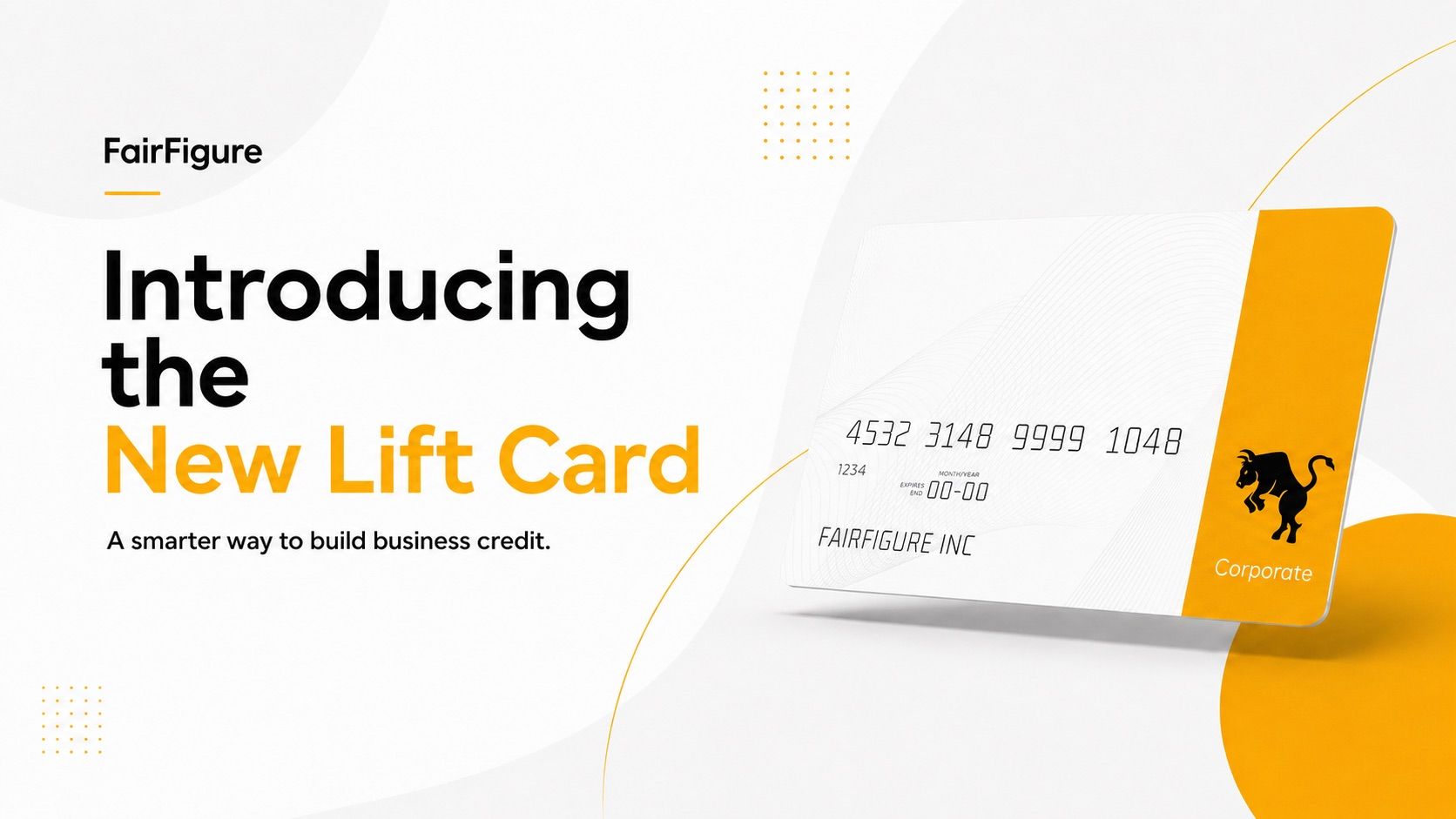
September 17, 2026
2 min read
September 17, 2026
11 min read
September 17, 2026
5 min read
Start your credit building journey for your business
Start your credit journey now with FairFigure